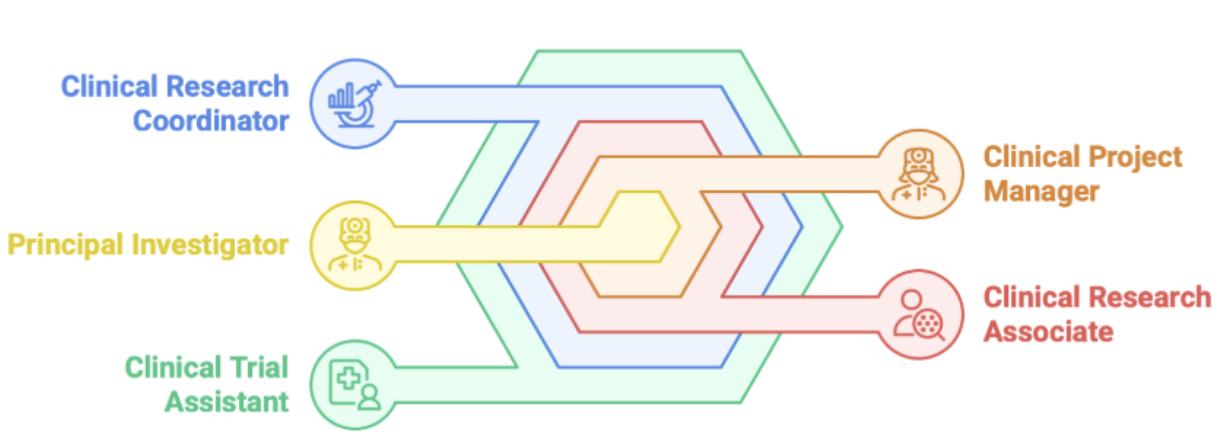

There are lots of drugs on the market nowadays; drugs that can shrink tumors, stop seizures, and inoculate populations. All of these medical interventions require thorough testing in humans before they are sold to the broader market. On top of that, for every drug you see today, there were hundreds more that went through the same testing but never made it to the shelves because they weren’t approved. This branch of work, known as clinical research, is a key component of public health, essential to advancing medical knowledge and supporting healthy populations.
All clinical research studies must be approved by the Institutional Review Board (IRB).1 If approved, the IRB will monitor the study’s progress to assess the findings and ensure the participants are kept safe. Studies involving a new drug or device must go through the U.S. Food and Drug Administration (FDA), which is the agency responsible for oversight and approval to ensure public safety.2
In August 2025, over 20,000 studies in the U.S. were still looking for participants. Another 10,000 studies were already filled and underway.3 None of this work runs on autopilot; all medical studies need people who understand the science and clinical research management systems to run the backend operations. Someone has to write the protocol, manage the records, and prepare the reports, and that person often has an MS in Clinical Research.
If all of this sounds intriguing to you and you want to be part of this process, clinical research could be a great path for you So, let’s see what you’ll learn from this graduate degree, what career paths you can expect when you’re done, the salary outlook, the job demand, online programs, and any certifications that complement an MS in Clinical Research.